
The Ultimate Guide to Speech Therapy for Children
Every child communicates in their own unique way, and speech therapy at South Shore Therapies is designed to support each child's individual strengths, interests, and communication goals. Through play-based, child-led, and evidence-based intervention, speech-language pathologists help children build the skills and confidence to connect with others, express themselves, participate in everyday activities, and engage in learning in ways that are meaningful to them. This guide explores what pediatric speech therapy is, who it can support, what therapy sessions may look like, and how families play an important role throughout the therapy journey.
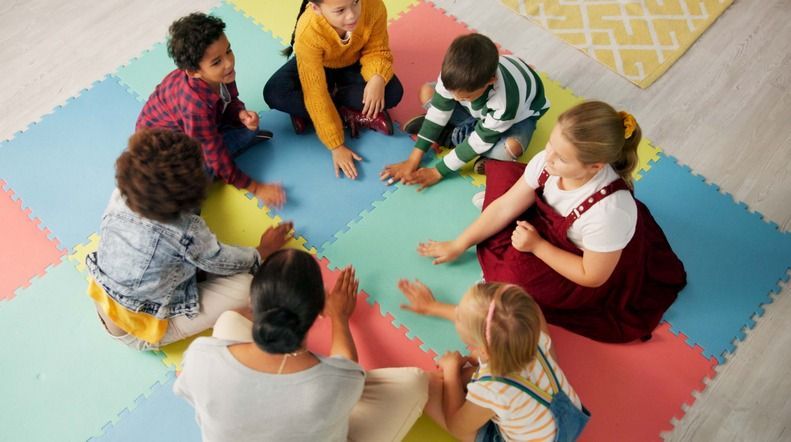
What Is Pediatric Speech Therapy?
Pediatric speech therapy supports children in developing the communication skills they need to connect with others, express themselves, and participate in everyday activities. At South Shore Therapies, our speech-language pathologists work with children across many areas of communication, including speech sound production, language development, fluency, social communication, and executive functioning skills. Therapy is individualized, strength-based, and tailored to each child's unique communication profile, interests, and goals.
Speech therapy sessions often incorporate play, books, games, movement, and meaningful everyday activities to create engaging learning opportunities. Whether a child is developing expressive and receptive language skills, improving speech clarity, strengthening social communication, or building confidence expressing their thoughts and ideas, therapy focuses on supporting functional communication in ways that are motivating, enjoyable, and meaningful for the child and their family.
Signs Your Child May Benefit From Speech Therapy
Every child has a unique communication profile, and communication skills develop differently from one child to the next. If you have questions or concerns about your child's communication, a speech-language evaluation can help identify their strengths, determine areas where additional support may be beneficial, and provide individualized recommendations. Below are a few examples of communication differences that may warrant a conversation with a speech-language pathologist.
- Infant/Toddler – During the first few years of life, children are developing foundational communication skills through everyday interactions and play. You may consider seeking an evaluation if your child has limited use of gestures (such as pointing or waving), is not yet babbling or imitating sounds, has difficulty understanding simple language, or is not using words or other meaningful forms of communication as expected for their developmental stage.
- Toddler/Preschooler – As language skills continue to grow, some children may benefit from additional support if they have difficulty expressing their wants, needs, or ideas; are difficult for familiar or unfamiliar listeners to understand; have trouble following directions or understanding language; or become frustrated because communicating is challenging. Children may also benefit from speech therapy if they have difficulty participating in conversations, answering questions, or engaging in social interactions.
- School-Age – School-age children may benefit from speech therapy if they have difficulty expressing or organizing their thoughts, understanding spoken language, retelling stories, participating in conversations, interpreting social communication, producing certain speech sounds, or using executive functioning skills- such as planning, organization, working memory, self-regulation, and flexible thinking- to support effective communication across home, school, and community settings.
Common Communication Differences Speech Therapy Can Support
Children communicate in many different ways, and communication development looks different for every child. Some children may benefit from speech therapy to support specific areas of speech, language, or communication. Below are some common areas pediatric speech-language pathologists support:
- Speech Sound Disorders – Children with speech sound differences may have difficulty producing certain sounds, using speech sound patterns that continue beyond what is expected for their age, or coordinating the movements needed for speech. These differences can impact how easily others understand them and may benefit from individualized support from a speech-language pathologist
- Language Development – Language development includes both receptive language (understanding spoken language) and expressive language (using words, sentences, gestures, or other forms of communication to share thoughts and ideas). Some children may benefit from speech therapy if they have difficulty understanding language, following directions, learning new vocabulary, answering questions, expressing themselves, or using age-appropriate grammar.
- Social Communication Differences – Some children benefit from support in developing strategies for navigating social interactions in ways that feel meaningful and authentic to them. Speech therapy may support skills such as initiating interactions, participating in conversations, interpreting nonverbal communication, understanding different perspectives, expressing thoughts and ideas, and adapting communication across different environments and communication partners.
- Stuttering (Fluency Differences) – Stuttering is a difference in the flow of speech and may include repetitions, prolongations, or pauses. Speech therapy can support children in developing communication confidence, reducing the impact of stuttering on participation, and learning strategies that support comfortable communication.
- Executive Functioning – Some children may benefit from support with the skills that help them organize their thoughts, plan what they want to say, remember information, manage attention, regulate emotions, and adjust their communication based on the situation. Communication differences related to executive functioning may look like difficulty telling a story in order, following multi-step directions, starting or completing tasks, remembering details from conversations, or shifting between topics or activities.
How Speech Therapy Supports Overall Development?
Speech therapy is about so much more than producing sounds or saying words clearly. It helps children build the communication skills they need to express themselves, connect with others, participate in everyday activities, and confidently engage with the world around them.
At South Shore Therapies, our speech-language pathologists use a play-based, individualized approach to support each child's unique strengths, interests, and communication style. Whether a child is learning new ways to communicate, expanding their language skills, improving speech clarity, or strengthening social communication, therapy is designed to support meaningful participation at home, in school, and in the community.
As children develop stronger communication skills, they may feel more confident expressing their ideas, advocating for their needs, building relationships, and participating in learning opportunities that matter most to them.
When Should You Consider a Speech Evaluation?
Every child develops at their own pace, and differences in communication are a natural part of development. If you have questions about your child's speech, language, or communication skills, or if you've noticed they seem frustrated when trying to communicate, have difficulty understanding or using language, or are finding it challenging to participate in everyday interactions, a speech-language evaluation can help provide answers.
An evaluation isn't about labeling your child or comparing them to others. It's an opportunity to better understand your child's unique communication strengths and identify supports that may help them feel more successful across everyday routines and activities. Early support can make it easier to build skills as children grow, but it's never too late to benefit from speech therapy.
South Shore Therapies Is Here to Support Your Family
At South Shore Therapies, we believe every child deserves the opportunity to communicate in ways that are meaningful to them. Our speech therapists work closely with families to create individualized, play-based therapy plans that support communication, confidence, and participation in everyday life.
Whether you're looking for answers, exploring therapy for the first time, or seeking additional support, we're here to guide you through every step of the process. We'd love to help you determine whether speech therapy is the right fit for your child and support your family along the way.
Speech Therapy FAQs & Our Answers
Does Speech Therapy Support Language Development?
Yes. Speech therapy can help children develop a wide range of communication skills, including understanding language, expressing thoughts and ideas, building vocabulary, improving grammar, strengthening social communication, and developing speech clarity. Therapy goals are always individualized to meet each child's unique strengths and needs.
How Long Does Speech Therapy Last?
The length of therapy varies for every child and depends on their individual goals, strengths, and needs. Some children achieve their goals in a relatively short period of time, while others benefit from longer term support as their communication skills continue to develop. Your speech-therapist will regularly monitor progress and collaborate with your family to adjust goals as needed.
When Should a Child Start Speech Therapy?
If you have concerns about your child's communication, it's always appropriate to set-up a free intake call with one of our skilled therapists. They will help you determine if an evaluation is recommended. Early identification and support can be beneficial because young children learn rapidly during their early years, but children of all ages can make meaningful progress with individualized, evidence-based speech therapy.
Who Needs Speech Therapy? Who Can Benefit from Speech Therapy?
Speech therapy can support children with a wide variety of communication needs, including speech sound differences, language delays or differences, fluency (stuttering), social communication, voice disorders, feeding and swallowing challenges, and children who use or may benefit from augmentative and alternative communication (AAC). Therapy is always individualized to support each child's participation in the activities that are meaningful to them.
Is Speech Therapy Helpful for All Ages?
Yes. Speech therapy can support children, teens, and adults at many stages of life. Goals evolve as communication demands change, helping individuals build the skills they need to participate confidently in school, relationships, and everyday activities.