
How Speech Therapy Supports Social Skill Development in Kids
At South Shore Therapies, we believe communication is about connection; sharing ideas, expressing needs, building relationships, and participating in the moments that matter most to each child. Our speech therapists support children in developing social communication skills in ways that honor their individual strengths, communication styles, and personalities.
Social communication develops throughout childhood and supports how children interact with family members, peers, teachers, and their communities. Whether a child is learning how to initiate interactions, understand another person's perspective, advocate for their needs, or navigate conversations, speech therapy can provide meaningful support tailored to their goals.
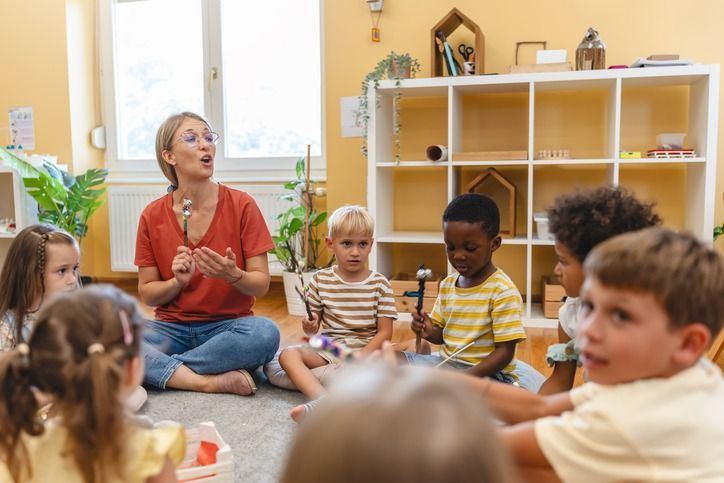
What Are Social Communication Skills?
Social communication refers to the many ways we use communication to connect and interact with others. This includes spoken language, gestures, facial expressions, body language, tone of voice, play, and other forms of expression.
For young children, social communication begins with early skills like sharing attention, responding to others, imitating, taking turns, and showing interest in the people around them. As children grow, these skills continue to develop through experiences with family, friends, and their communities.
Older children may work on skills such as entering conversations, understanding different perspectives, adapting communication for different situations, expressing emotions, advocating for their needs, and repairing communication breakdowns when misunderstandings occur.
Social communication is a two-way process. Effective communication is built when children are supported in expressing themselves authentically while also learning ways to understand and connect with the people around them.
Why is social communication important for development?
Communication plays an important role in helping children build relationships, participate in learning environments, express their thoughts and feelings, and advocate for themselves.
When children have tools to share their ideas, navigate disagreements, ask for support, and connect with others, they often feel more confident participating in the activities that are meaningful to them. Social communication support can help children develop stronger connections while recognizing that every child has their own unique way of interacting with the world.
How Speech Therapy Can Support Social Skill Development?
Speech Therapists help children develop social communication skills through individualized, play-based therapy that reflects each child's needs and goals. Therapy may focus on areas such as:
- Understanding and Expressing Communication: Supporting children in recognizing and using verbal and nonverbal communication, including words, gestures, facial expressions, and tone of voice.
- Perspective-Taking: Helping children explore different viewpoints, thoughts, and feelings while recognizing that people may experience situations differently.
- Self-Advocacy: Supporting children in communicating their needs, preferences, boundaries, and feelings so they can participate more confidently in everyday situations.
- Conversational Skills: Practicing skills such as starting conversations, taking turns, staying connected to a topic, asking questions, and adapting communication based on the situation and communication partner.
- Communication Repair: Teaching strategies for navigating misunderstandings, such as asking for clarification, explaining ideas in another way, or letting others know when they need support.
- Emotional Expression and Regulation: Helping children identify and communicate emotions, recognize their own needs, and develop strategies for navigating challenging moments.
- Social Problem-Solving: Supporting children in working through everyday challenges, collaborating with others, and finding solutions during play and social interactions.
- Building Meaningful Relationships: Encouraging connection through shared interests, play, conversation, and activities that allow children to engage with others in authentic ways.
- Confidence and Flexibility: Helping children feel more comfortable navigating new situations, trying different communication strategies, and participating in environments that are important to them.
·
Start Speech Therapy at South Shore Therapies
At South Shore Therapies, we believe every child deserves to feel heard, understood, and supported in the ways that work best for them. Our speech therapists work closely with families to create individualized, play-based therapy plans that build on each child's strengths, interests, and unique communication style.
Family involvement is an important part of the therapy process. By working together, we can help children build communication skills that support meaningful participation at home, at school, and in the community. Whether your child is developing speech and language skills, strengthening social communication, or learning to communicate in new ways, our team is here to support your family every step of the way.
If you'd like to learn more about our speech therapy services or schedule an evaluation, we'd love to connect with you.
Common Social Skill Development Questions
How Long Does it take to see progress in Speech Therapy?
Every child's journey is unique. Progress depends on many factors, including your child's strengths, goals, communication needs, and home carryover. Your speech therapist will regularly monitor progress and collaborate with your family to adjust goals as your child grows.
What Does a Speech Therapy Session Look Like?
Speech therapy sessions are individualized and play-based to keep children engaged while targeting meaningful communication goals. Activities may include games, books, pretend play, movement, conversation, and everyday routines, all tailored to your child's interests and developmental needs.
How Do Speech and Language Therapists Support?
Speech Therapists support children with a wide range of communication needs, including speech sound development, language, social communication, fluency (stuttering), voice, feeding, and augmentative and alternative communication (AAC). They work collaboratively with families to develop strategies that support communication across everyday environments.
When should I consider a speech and language evaluation?
If you have concerns about your child's communication, it's always appropriate to set-up a free intake call with one of our skilled therapists. They will help you determine if an evaluation is recommended. Early identification and support can be beneficial because young children learn rapidly during their early years, but children of all ages can make meaningful progress with individualized, evidence-based speech therapy.
How Can Families Support Communication at Home?
One of the best ways to support communication is by creating opportunities for connection throughout the day. Reading together, talking during everyday routines, following your child's interests, modeling language, and responding to all forms of communication can help reinforce the skills your child is developing in therapy. Your speech-language pathologist will also provide personalized strategies that fit naturally into your family's daily routines.