
Books to Promote Language Development for Children
Children’s books for language development play integral parts in making the world easier to deal with and engage with for little learners. You can support these efforts at home by learning about speech development in children and contributing to their ongoing success with appropriate books and reading methods. Below, we’ve provided a wealth of information about how books can promote language development.
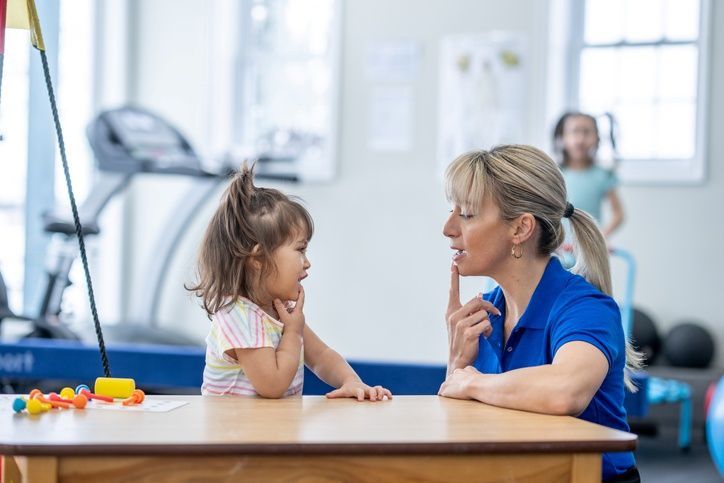
Why Reading Supports Speech & Language Development?
Reading together is one of the most meaningful ways to support a child's speech, language, and literacy development. Beyond fostering a love of books, shared reading provides rich opportunities to build communication skills in a natural, engaging, and interactive way.
- Builds vocabulary and early literacy skills: Books expose children to new words and rich language that may not come up in everyday conversation. Talking about unfamiliar vocabulary, describing illustrations, and connecting stories to real-life experiences helps expand language while supporting early reading and writing development.
- Develops narrative and storytelling skills: Stories introduce important concepts such as characters, setting, problem, and solution. Discussing these elements helps children understand story structure and organize their own thoughts and experiences when communicating with others.
- Strengthens conversation and listening skills: Shared reading encourages back-and-forth interactions through comments, questions, and discussion. Following a story also supports sustained attention, auditory comprehension, and active listening.
- Supports language comprehension: Familiar books provide a natural opportunity to explore "who," "what," "where," "when," "why," and "how" questions. These conversations help build understanding while making learning interactive and enjoyable.
- Reinforces grammar and higher-level language skills: Books model correct grammar, including verb tenses, pronouns, prepositions, and sentence structure. As children predict what might happen next, make inferences, and explain their thinking, they strengthen critical thinking and language comprehension skills.
Choosing Books That Support Children’s Language Development
Children learn best when books align with their developmental stage and interests. Selecting books that align with your child's developmental stage provides opportunities to support speech, language, and early literacy development. As children grow, books with increasingly complex stories, vocabulary, and illustrations help foster communication skills while keeping reading engaging and enjoyable. Zero to 12 Months
At this stage, reading is about interaction and exposure to language. Choose sturdy board books with high-contrast pictures, simple images, and repetitive words or sounds. As you read, describe what you see, imitate animal or environmental sounds, and use facial expressions and gestures to capture your baby's attention. These early interactions lay the foundation for communication and a lifelong love of books.
One to Three Years
Toddlers enjoy books with repetition, predictable phrases, and familiar routines such as bedtime, mealtime, or playing. These stories help expand vocabulary and support early sentence development. Encourage participation by pausing before a familiar word or phrase, giving your child an opportunity to fill it in. Even pointing to pictures or labeling objects together builds important language skills.
Three to Five Years
Preschoolers are ready for stories with simple plots, relatable characters, and clear problems and solutions. These books support narrative development, sequencing, and early comprehension. Ask open-ended questions, encourage your child to predict what might happen next, and talk about the characters' thoughts and feelings to promote conversation, critical thinking, and storytelling skills.
Ways to Turn Reading into a Language Activity
Reading together is about more than simply getting through the pages—it’s an opportunity to build communication skills through everyday interactions. By making storytime interactive, you can support your child's language development while keeping reading fun and engaging. Here are a few simple strategies to try at home:
- Pause and wait. Give your child time to finish a familiar word, phrase, or repeated line.
- Talk about new words. Explain unfamiliar vocabulary and connect it to your child's everyday experiences.
- Ask open-ended questions. Encourage your child to share their ideas, make predictions, and talk about the story.
- Label and describe. Point out people, objects, actions, and emotions in the illustrations.
- Follow your child's interests. If they are excited about a page, character, or topic, pause and explore it together. These conversations often create the richest language-learning opportunities
How Speech Therapy Can Support Language Development Through Reading?
Reading is a powerful way to support speech and language development, and a speech-language pathologist (SLP) can help families make the most of these everyday moments. Speech therapy may incorporate books to target a variety of communication skills, including vocabulary development, language comprehension, storytelling, social communication, grammar, and early literacy. SLPs work collaboratively with caregivers to identify strategies that align with each child's strengths, interests, and communication goals, making storytime both engaging and meaningful.