
Creating Feeding Routines for Picky Eaters
Mealtimes can feel stressful for many families, especially when a child has a limited range of accepted foods or finds eating challenging. Feeding differences are common and can be influenced by many factors.
Rather than focusing on getting children to eat more or try everything on their plate, creating predictable, low-pressure mealtime routines can help them feel more comfortable exploring food over time. When children know what to expect, they're often better able to participate in family meals and develop a positive relationship with eating.
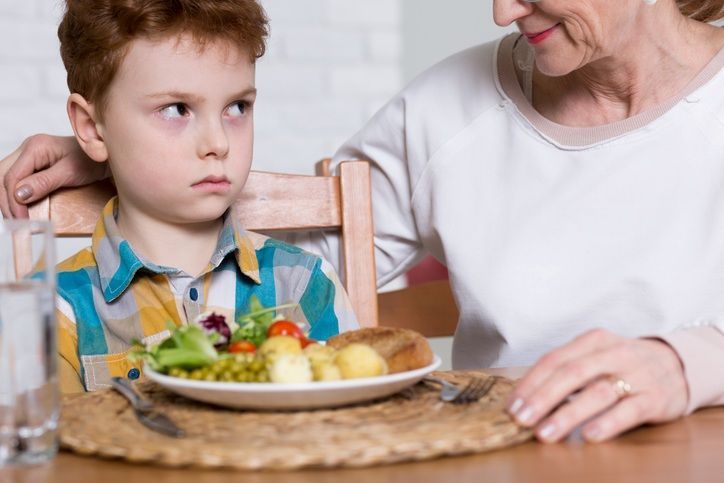
Is It ARFID or Selective Eating?
Many children experience periods of selective eating as they grow and develop. They may strongly prefer familiar foods, avoid certain textures, or go through phases where previously accepted foods are no longer appealing. For many children, these preferences change over time.
For others, feeding challenges are more significant. Avoidant/Restrictive Food Intake Disorder (ARFID) is a feeding and eating disorder that can impact a child's nutrition, growth, or daily participation. Children with ARFID may avoid foods because of sensory characteristics, fear of choking or vomiting, or a lack of interest in eating. If you have concerns that your child's feeding differences are affecting their health, growth, or daily life, talk with your child's pediatrician or seek an evaluation from a qualified feeding specialist.
Why Predictable Mealtime Routines Matter
Children often benefit from predictable routines, and mealtimes are no exception. Offering meals and snacks at consistent times throughout the day allows children to develop natural hunger and fullness cues while creating structure around eating.
A predictable routine also reduces uncertainty. When children know when food will be offered, and know there won't be pressure to eat, they can focus on learning about food, listening to their bodies, and participating in family meals.
Supporting Positive Mealtime Experiences
There is no single strategy that works for every child, but these approaches can help create a more positive mealtime experience:
- Offer Food Without Pressure: Parents decide what, when, and where food is offered, while children decide whether to eat and how much. Removing pressure helps children build trust in their own hunger and fullness cues.
- Include “Safe” Foods: Serving at least one familiar or preferred food alongside less familiar options helps children feel comfortable and ensures there is something they know they can eat.
- Encourage Food Exploration: Learning about food doesn't always begin with tasting it. Looking at, smelling, touching, cutting, or helping prepare food are all meaningful steps in becoming more comfortable with new foods.
- Make Mealtimes Enjoyable: Mealtimes should be about connection as much as nutrition. Fun presentations, family conversations, and a relaxed atmosphere can make eating a more positive experience.
- Model Curiosity Around Food: Children learn by watching others. Enjoy a variety of foods together without asking your child to copy you or take "just one more bite."
- Invite Participation: Involving children in grocery shopping, washing produce, stirring ingredients, or setting the table builds familiarity with food and gives them an active role in the mealtime routine.
When Might a Child Benefit from Feeding Therapy?
Some children benefit from additional support. Consider speaking with your pediatrician or a feeding therapist if your child:
- Experiences significant distress around eating or new foods.
- Frequently coughs, gags, chokes, or vomits during meals.
- Has an extremely limited variety of accepted foods.
- Eliminates entire food groups or struggles to meet nutritional needs.
- Has difficulty transitioning to age-appropriate food textures.
- Finds mealtimes consistently stressful for themselves or the family.
How Feeding Therapy Can Help
At South Shore Therapies, feeding therapy is primarily provided by our Occupational Therapists (OTs), who take a whole-child approach to understanding feeding. They consider how sensory processing, oral motor skills, posture, coordination, medical history, and the mealtime environment all contribute to a child's feeding experience.
Working closely with families, our therapists develop individualized, play-based strategies that help children build confidence with food at their own pace. The goal isn't to force children to eat, it is to create positive experiences around food, support meaningful participation in family meals, and help children develop the skills they need for successful eating over time.
Reduce Stress at Mealtime With South Shore Therapies
Feeding challenges can feel overwhelming, but you don't have to navigate them alone. Wherever you are in your feeding journey, our team is here to work with you and create a plan that meets your family's unique needs.
South Shore Therapies provides pediatric feeding therapy in Hinghan, Norwood and surrounding areas with the mission of helping children and families build confidence, reduce mealtime stress, and create positive relationships with food.
Contact us today to learn more.